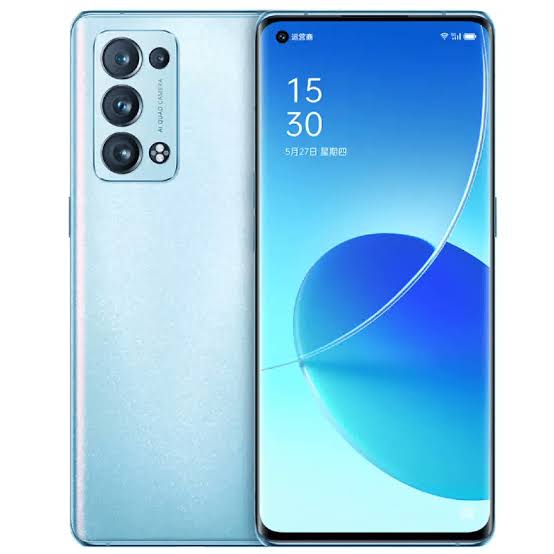
The Future of Mobile Gaming: Exploring Augmented Reality (AR) and Virtual Reality (VR)


Introduction:
The world of gaming is rapidly evolving, and mobile devices are at the forefront of this revolution. In recent years, we have witnessed the rise of immersive experiences through technologies like Augmented Reality (AR) and Virtual Reality (VR). In this blog post, we will delve into the exciting realm of AR and VR gaming on smartphones, exploring the technology behind it and its potential impact on the gaming industry.

Understanding Augmented Reality (AR) and Virtual Reality (VR):
AR and VR are transformative technologies that transport users into virtual worlds or overlay digital content onto the real world. AR enhances our physical environment by adding virtual elements, while VR completely immerses users in a simulated reality.

The Power of AR and VR Gaming on Smartphones:
Smartphones have become powerful gaming devices, capable of delivering compelling AR and VR experiences. With their high-resolution displays, advanced processors, and motion sensors, smartphones have the potential to transport gamers into a whole new dimension of interactive entertainment.

Popular AR and VR Games:
There is already a growing library of AR and VR games available for smartphones. From Pokemon Go’s successful integration of AR in capturing virtual creatures in the real world to VR games that let players explore virtual environments and engage in thrilling adventures, the possibilities are expanding rapidly. Some notable titles include “Minecraft Earth,” “Harry Potter: Wizards Unite,” and “Beat Saber VR.”



The Potential Impact on the Gaming Industry:
The integration of AR and VR in mobile gaming has the potential to revolutionize the industry. It opens up new avenues for immersive storytelling, interactive gameplay, and social experiences. The accessibility of smartphones means that more people can engage with AR and VR gaming, democratizing the technology and expanding the player base.


Challenges and Future Developments:
While AR and VR gaming on smartphones offer exciting possibilities, there are still challenges to overcome. These include optimizing performance, resolving technical limitations, and creating engaging content that takes full advantage of the technology. However, ongoing advancements in smartphone hardware and software, coupled with developers’ creativity, are driving innovation and pushing the boundaries of what is possible.


Conclusion:
The future of mobile gaming is incredibly promising, with AR and VR at its forefront. The combination of immersive experiences and the accessibility of smartphones has the potential to transform the way we play games. As the technology continues to evolve, we can look forward to more captivating AR and VR gaming experiences that blur the line between the virtual and the real.

So, grab your smartphone, put on your VR headset, or launch an AR app, and get ready to explore exciting new worlds and embark on thrilling adventures in the palm of your hand. The future of mobile gaming has never been more exhilarating!
The Evolution of Smartphone Design: From Bezels to Foldables


Introduction:
The world of smartphone design has undergone a remarkable evolution in recent years. From the days of bulky bezels and physical keyboards to the sleek and immersive displays we have today, smartphones have become more than just communication devices. In this blog post, we will take a closer look at the fascinating journey of smartphone design, culminating in the advent of foldable phones. Join us as we explore the past, present, and future of smartphone design.


1. The Age of Bezels:
Once upon a time, bezels dominated the smartphone landscape. Thick borders surrounded the display, accommodating physical buttons and housing essential sensors. However, as technology advanced, manufacturers began to push the boundaries of screen-to-body ratios, gradually shrinking bezels and maximizing the available display real estate.


2. The Rise of Edge-to-Edge Displays:
The introduction of edge-to-edge displays revolutionized smartphone design. With advancements in screen technology and the removal of physical buttons, smartphones embraced the concept of minimal bezels. This transition enabled larger displays without increasing the overall size of the device, offering immersive visuals and a more captivating user experience.


3. Curved Displays and Unique Form Factors:
Innovation took center stage as smartphone manufacturers explored curved displays. Curved edges not only added a touch of elegance but also improved ergonomics and provided a seamless transition between the front and back of the device. Additionally, unique form factors emerged, such as dual-screen smartphones and rollable displays, pushing the boundaries of what was possible.


4. Enter the Foldable Phones:
Foldable phones represent the latest breakthrough in smartphone design. These devices feature flexible displays that can be folded or unfolded, providing users with the versatility of a smartphone and the expanded screen real estate of a tablet. Foldables allow for a whole new level of multitasking, enhanced productivity, and immersive media consumption experiences.

5. The Benefits of Foldable Phones:
Foldable phones offer several advantages beyond their expansive screens. They provide the flexibility to switch between compact and tablet-like form factors, allowing users to adapt their devices to different tasks and environments. The increased screen real estate is ideal for gaming, multitasking, and content creation. Foldable phones also foster innovation, encouraging developers to create unique and optimized experiences for this emerging category of devices.


6. Challenges and Considerations:
While foldable phones offer immense potential, they are not without challenges. Durability and reliability of the foldable display technology, app compatibility, and the premium price tags are some of the factors to consider. However, as the technology matures and becomes more accessible, these challenges are expected to be addressed, making foldable phones more mainstream in the future.

7. Looking Ahead: The Future of Smartphone Design:
Foldable phones are just the beginning of a new era in smartphone design. As technology continues to advance, we can anticipate even more innovative form factors, materials, and features. Concepts like transparent displays, under-display cameras, and holographic projections hint at the exciting possibilities that lie ahead.

Conclusion:
The journey of smartphone design has been nothing short of extraordinary. From bezels to edge-to-edge displays and now to the realm of foldable phones, each step has brought us closer to a more immersive and versatile mobile experience. As we embrace the era of foldable devices, we can only imagine the exciting innovations that await us in the future of smartphone design.

So, fasten your seatbelts and get ready to witness the next chapter in the ever-evolving world of smartphones. The future is folding, and the possibilities are limitless.

Stay tuned for more updates and insights from Mobile Master Mind, your go-to source for all things mobile technology.

Unveiling Hidden Gems: 10 Precious Features Hidden in Your Mobile Phone


In the world of mobile phones, there’s more than meets the eye. Beyond the surface-level features lies a treasure trove of hidden gems that can elevate your smartphone experience. In this blog post, we will unlock 10 precision-engineered features tucked away in your mobile phone’s settings, enabling you to unleash its full potential.

  1. One-Handed Mode:
    Make navigating your large-screen phone effortless. Activate the one-handed mode hidden within accessibility settings, allowing you to comfortably operate your device with a single hand.
  2. Quick Launch Camera:
    Never miss a photo opportunity again. Discover the shortcut to launch your phone’s camera instantly, whether it’s a double-press of the volume down button or a quick launch gesture.
  3. Hidden Gesture Navigation:
    Free up valuable screen space by embracing gesture-based navigation. Find the hidden option that lets you swipe and navigate your device with intuitive gestures, bidding farewell to traditional navigation buttons.
  4. SOS Emergency Features:
    Prioritize your safety with hidden emergency features. Learn how to swiftly call emergency services, share your location with trusted contacts, or activate an emergency alarm when in need.
  5. Customized App Permissions:
    Take charge of your privacy by fine-tuning app permissions. Unveil the hidden settings that enable you to control what data each app can access, giving you greater peace of mind.
  6. Screen Recording Magic:
    Capture and share your phone’s screen with ease. Uncover the hidden screen recording feature, perfect for creating tutorials, sharing gameplay, or saving memorable moments.
  7. Offline Reading Mode:
    Savor articles and web pages even without an internet connection. Unearth the hidden offline reading mode, allowing you to download content and enjoy it later, even when offline or with limited connectivity.
  8. Battery Optimization Techniques:
    Stretch your battery life further with hidden battery optimization features. Explore options like battery-saving modes, app power management, and adaptive battery settings to maximize each charge.
  9. Hidden Shortcut Keys:
    Unleash the power of shortcuts by customizing physical or on-screen buttons. Assign functions like launching specific apps, taking screenshots, or toggling settings, making your smartphone experience more efficient and personalized.
  10. Digital Wellbeing Tools:
    Foster a healthier relationship with your phone using digital wellbeing features. Find hidden tools that help you monitor and manage screen time, set app limits, and enable focus modes for uninterrupted productivity.

Congratulations! You’ve unlocked 10 precious hidden features within your mobile phone. By delving into the settings and menus, you’ve uncovered a wealth of possibilities, elevating your smartphone experience to new heights. Continue to explore and unravel more hidden gems unique to your device.

Remember, each smartphone has its own set of hidden features, so venture into your phone’s settings and embrace the hidden power that lies within. Unleash the true potential of your mobile phone and unlock a world of precision-engineered capabilities. Let these hidden gems transform the way you interact with your smartphone!


Unveiling the Future: A Glimpse into Phones of 2050

Introduction:
Welcome to the fascinating world of 2050, where the boundaries of technology have been pushed to unimaginable limits. In this era of constant innovation and transformative advancements, our trusty companions, smartphones, have undergone a radical metamorphosis. Join us on an exhilarating journey as we peer into the crystal ball and explore the captivating possibilities that await us in the realm of mobile communication. Brace yourself for a revolution in form, function, and interaction as we delve into how phones will shape our lives in the year 2050. From flexible displays and augmented reality to AI-powered assistants and biometric security, let us unravel the astounding future that awaits us in the palm of our hands.

So I asked an AI “Can you give me a description of how you think phones will look like in 2050.”

And it answered

“In 2050, it is expected that phones will have undergone significant advancements and transformations compared to the devices we use today. Here’s a speculative description of how phones could look like in 2050:

Form Factor:
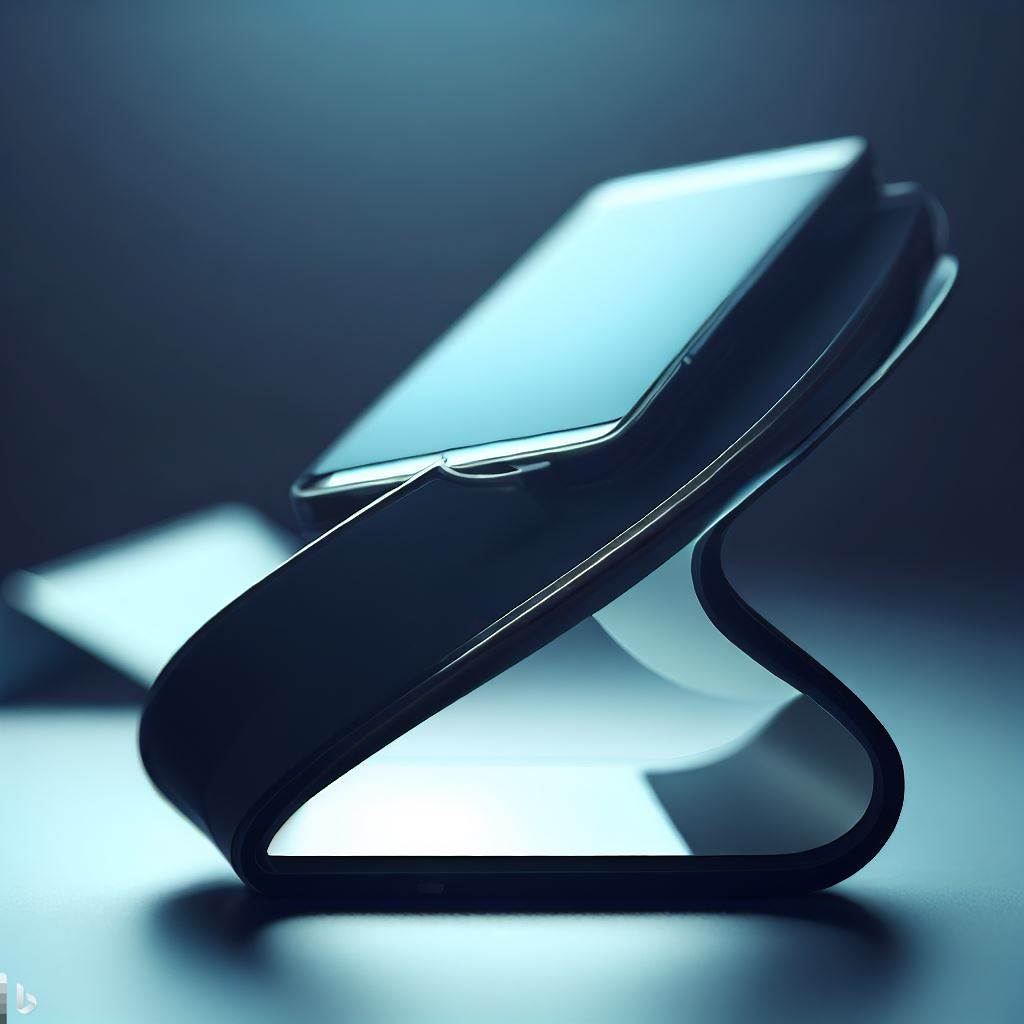
Phones in 2050 might no longer resemble the rectangular slabs we are familiar with today. They could adopt a more flexible and foldable form factor, allowing users to unfold or expand their screens for a larger display when needed. These devices might utilize advanced materials that are lightweight, durable, and capable of bending without compromising functionality

Flexibility and Foldability


Display and Interface:
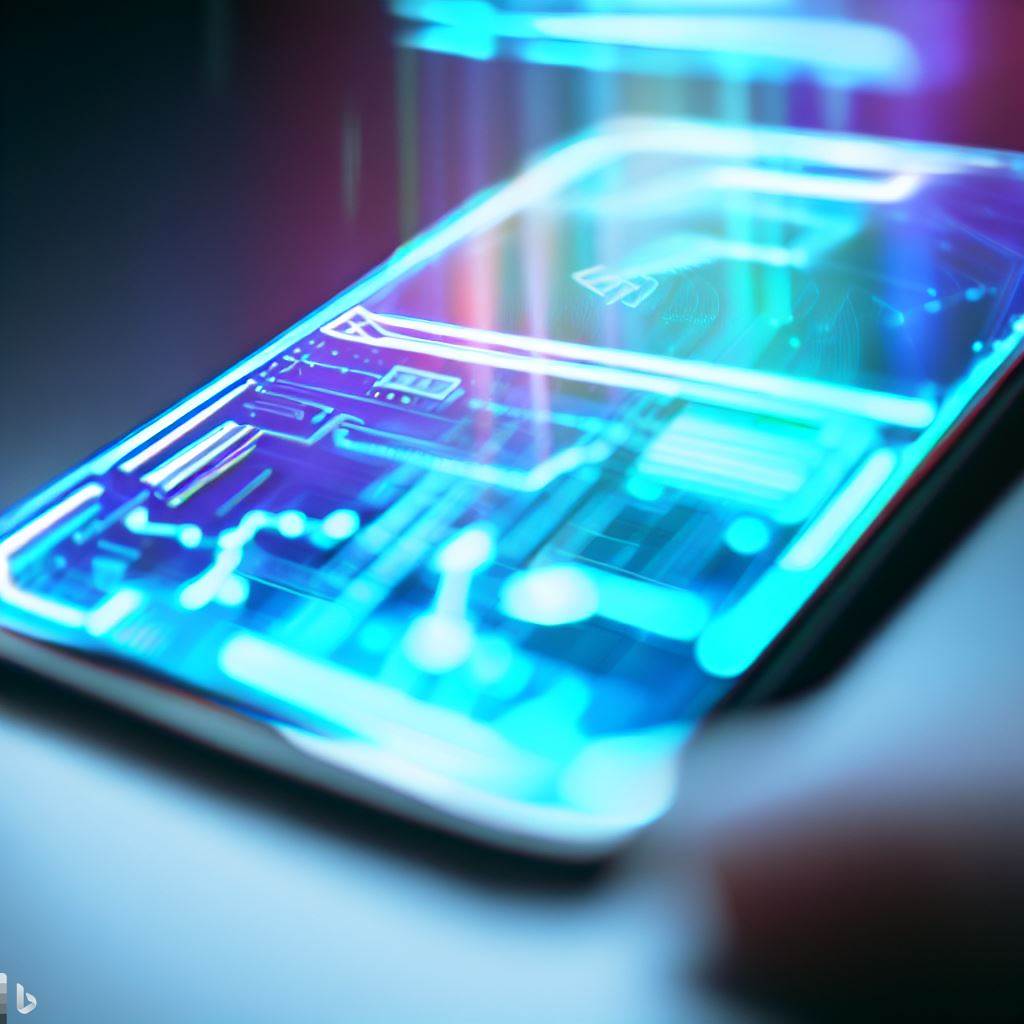
Phone displays in 2050 could offer a seamless, immersive experience with high-resolution holographic or projection-based technology. Instead of physical buttons or touchscreens, users might interact with their devices using advanced gesture recognition, eye-tracking, or even through neural interfaces that interpret brain signals. This could allow for more natural and intuitive interaction with the phone.

Holographic display

Communication and Connectivity:
Communication capabilities in 2050 could be vastly improved. Phones might support ultra-fast, low-latency 6G or even higher-generation networks, enabling seamless real-time communication and data transfer. Moreover, advancements in augmented reality (AR) and virtual reality (VR) could be integrated into phones, allowing users to have immersive and interactive experiences.


Power and Battery:
Battery technology will likely have advanced significantly by 2050. Phones could potentially feature revolutionary energy sources such as graphene-based or solid-state batteries, offering extended battery life and faster charging times. Furthermore, phones might harness ambient energy sources, such as solar or kinetic energy, to supplement or recharge the battery.

Artificial Intelligence (AI) and Personalization:
AI will play a central role in phones of the future. These devices might possess highly advanced virtual assistants that can understand natural language, anticipate user needs, and perform tasks on their behalf. AI could also enable phones to adapt to individual users’ preferences, personalize experiences, and provide proactive recommendations based on users’ habits and context.

AI assistant


Biometric Security:
Phone security in 2050 could heavily rely on biometric authentication methods. Advanced facial recognition, iris scanning, or even more advanced biometric technologies might ensure secure access to the device and protect user data. Additionally, behavioral biometrics, such as gait recognition, could add an extra layer of security.

Complex iris scanner


Environmental Considerations:
By 2050, sustainability will likely be a significant factor in phone design. Phones could be made using eco-friendly materials and feature efficient power consumption. Additionally, the devices might incorporate technologies to promote recycling and reduce electronic waste, thus contributing to a more sustainable future.

It’s important to note that predicting the future is challenging, and these descriptions are speculative based on current technological trends and projections. The actual appearance and capabilities of phones in 2050 may differ significantly from these predictions.”

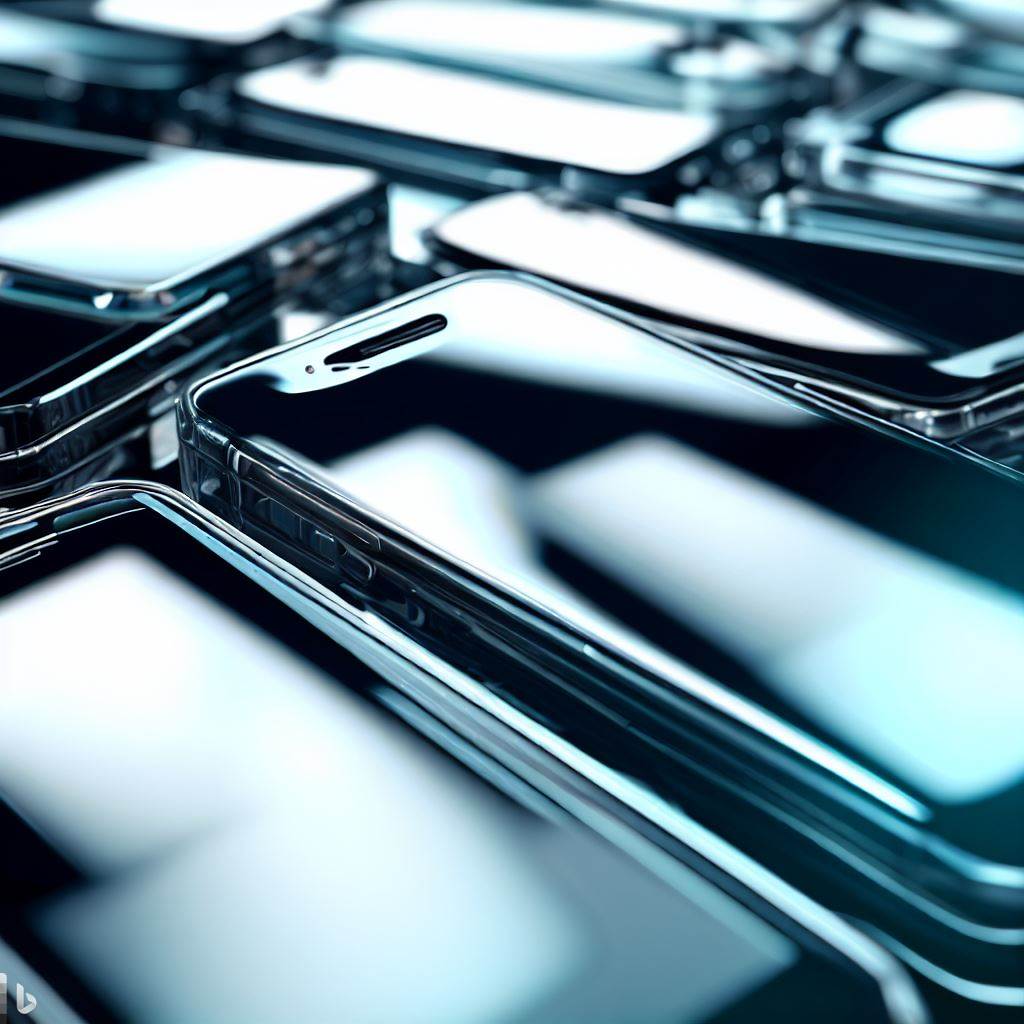
Transparent phones