Introduction:
The world of smartphone design has undergone a remarkable evolution in recent years. From the days of bulky bezels and physical keyboards to the sleek and immersive displays we have today, smartphones have become more than just communication devices. In this blog post, we will take a closer look at the fascinating journey of smartphone design, culminating in the advent of foldable phones. Join us as we explore the past, present, and future of smartphone design.
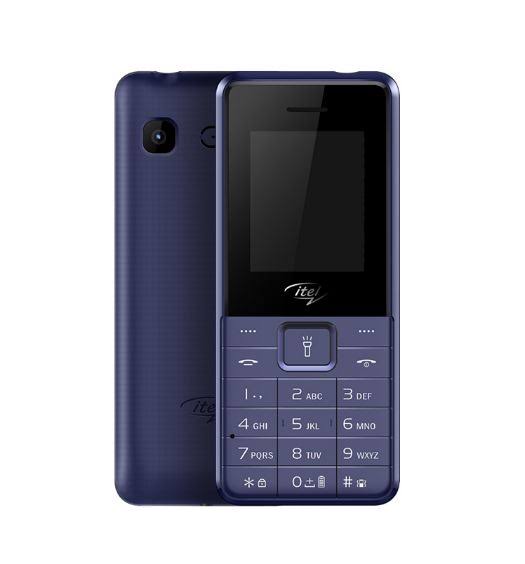
1. The Age of Bezels:
Once upon a time, bezels dominated the smartphone landscape. Thick borders surrounded the display, accommodating physical buttons and housing essential sensors. However, as technology advanced, manufacturers began to push the boundaries of screen-to-body ratios, gradually shrinking bezels and maximizing the available display real estate.

2. The Rise of Edge-to-Edge Displays:
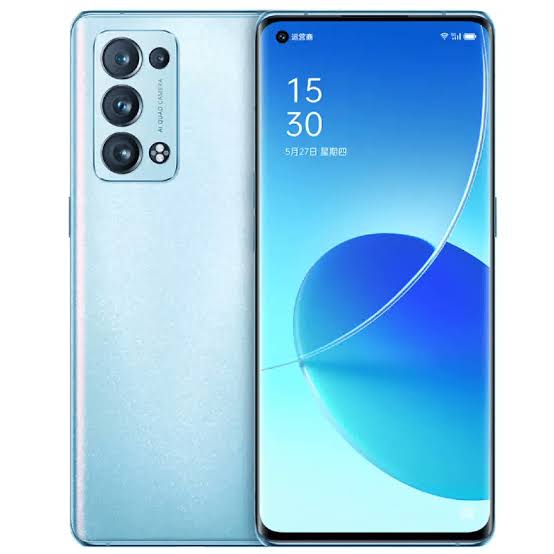
The introduction of edge-to-edge displays revolutionized smartphone design. With advancements in screen technology and the removal of physical buttons, smartphones embraced the concept of minimal bezels. This transition enabled larger displays without increasing the overall size of the device, offering immersive visuals and a more captivating user experience.

3. Curved Displays and Unique Form Factors:
Innovation took center stage as smartphone manufacturers explored curved displays. Curved edges not only added a touch of elegance but also improved ergonomics and provided a seamless transition between the front and back of the device. Additionally, unique form factors emerged, such as dual-screen smartphones and rollable displays, pushing the boundaries of what was possible.
4. Enter the Foldable Phones:
Foldable phones represent the latest breakthrough in smartphone design. These devices feature flexible displays that can be folded or unfolded, providing users with the versatility of a smartphone and the expanded screen real estate of a tablet. Foldables allow for a whole new level of multitasking, enhanced productivity, and immersive media consumption experiences.
5. The Benefits of Foldable Phones:
Foldable phones offer several advantages beyond their expansive screens. They provide the flexibility to switch between compact and tablet-like form factors, allowing users to adapt their devices to different tasks and environments. The increased screen real estate is ideal for gaming, multitasking, and content creation. Foldable phones also foster innovation, encouraging developers to create unique and optimized experiences for this emerging category of devices.

6. Challenges and Considerations:
While foldable phones offer immense potential, they are not without challenges. Durability and reliability of the foldable display technology, app compatibility, and the premium price tags are some of the factors to consider. However, as the technology matures and becomes more accessible, these challenges are expected to be addressed, making foldable phones more mainstream in the future.
7. Looking Ahead: The Future of Smartphone Design:
Foldable phones are just the beginning of a new era in smartphone design. As technology continues to advance, we can anticipate even more innovative form factors, materials, and features. Concepts like transparent displays, under-display cameras, and holographic projections hint at the exciting possibilities that lie ahead.
Conclusion:
The journey of smartphone design has been nothing short of extraordinary. From bezels to edge-to-edge displays and now to the realm of foldable phones, each step has brought us closer to a more immersive and versatile mobile experience. As we embrace the era of foldable devices, we can only imagine the exciting innovations that await us in the future of smartphone design.
So, fasten your seatbelts and get ready to witness the next chapter in the ever-evolving world of smartphones. The future is folding, and the possibilities are limitless.
Stay tuned for more updates and insights from Mobile Master Mind, your go-to source for all things mobile technology.

 Mobile Master Mind