Introduction:
Welcome to the fascinating world of 2050, where the boundaries of technology have been pushed to unimaginable limits. In this era of constant innovation and transformative advancements, our trusty companions, smartphones, have undergone a radical metamorphosis. Join us on an exhilarating journey as we peer into the crystal ball and explore the captivating possibilities that await us in the realm of mobile communication. Brace yourself for a revolution in form, function, and interaction as we delve into how phones will shape our lives in the year 2050. From flexible displays and augmented reality to AI-powered assistants and biometric security, let us unravel the astounding future that awaits us in the palm of our hands.
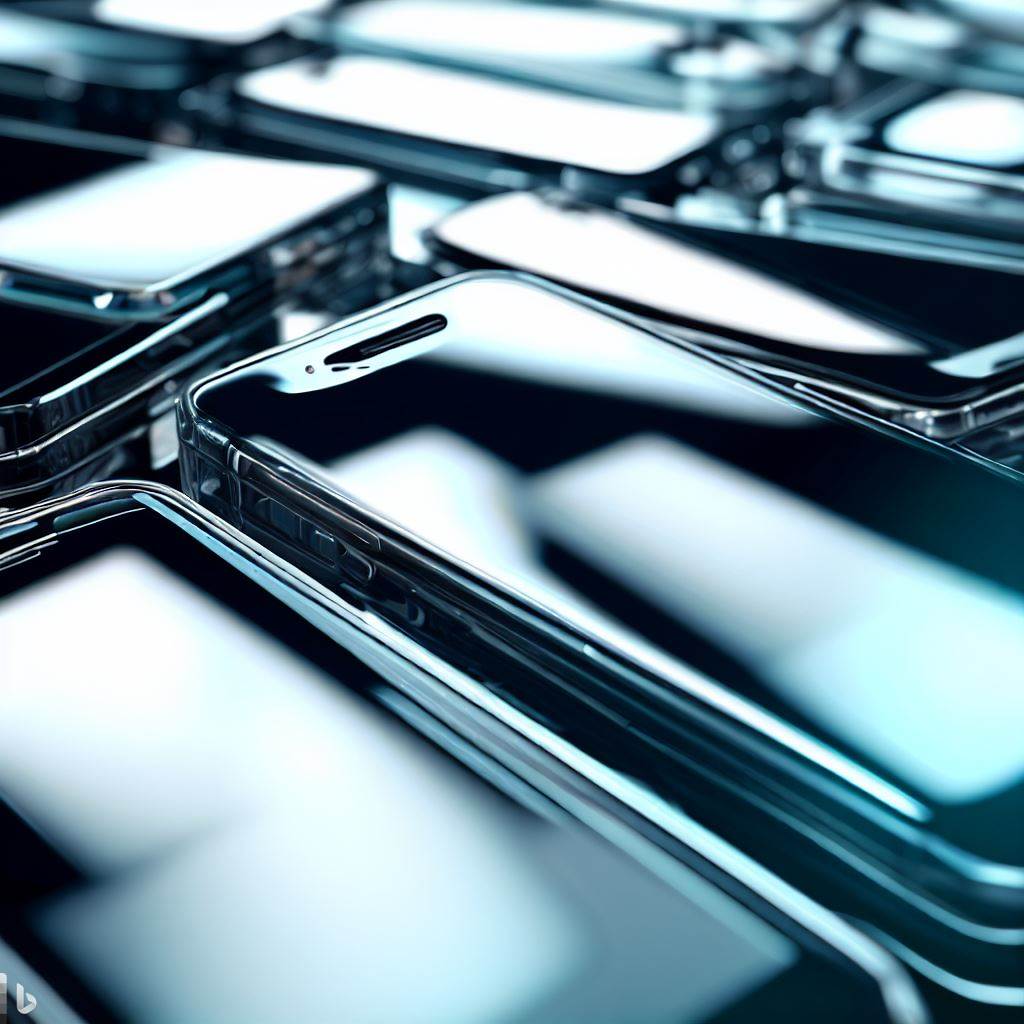
So I asked an AI “Can you give me a description of how you think phones will look like in 2050.”
And it answered
“In 2050, it is expected that phones will have undergone significant advancements and transformations compared to the devices we use today. Here’s a speculative description of how phones could look like in 2050:
Form Factor:
Phones in 2050 might no longer resemble the rectangular slabs we are familiar with today. They could adopt a more flexible and foldable form factor, allowing users to unfold or expand their screens for a larger display when needed. These devices might utilize advanced materials that are lightweight, durable, and capable of bending without compromising functionality
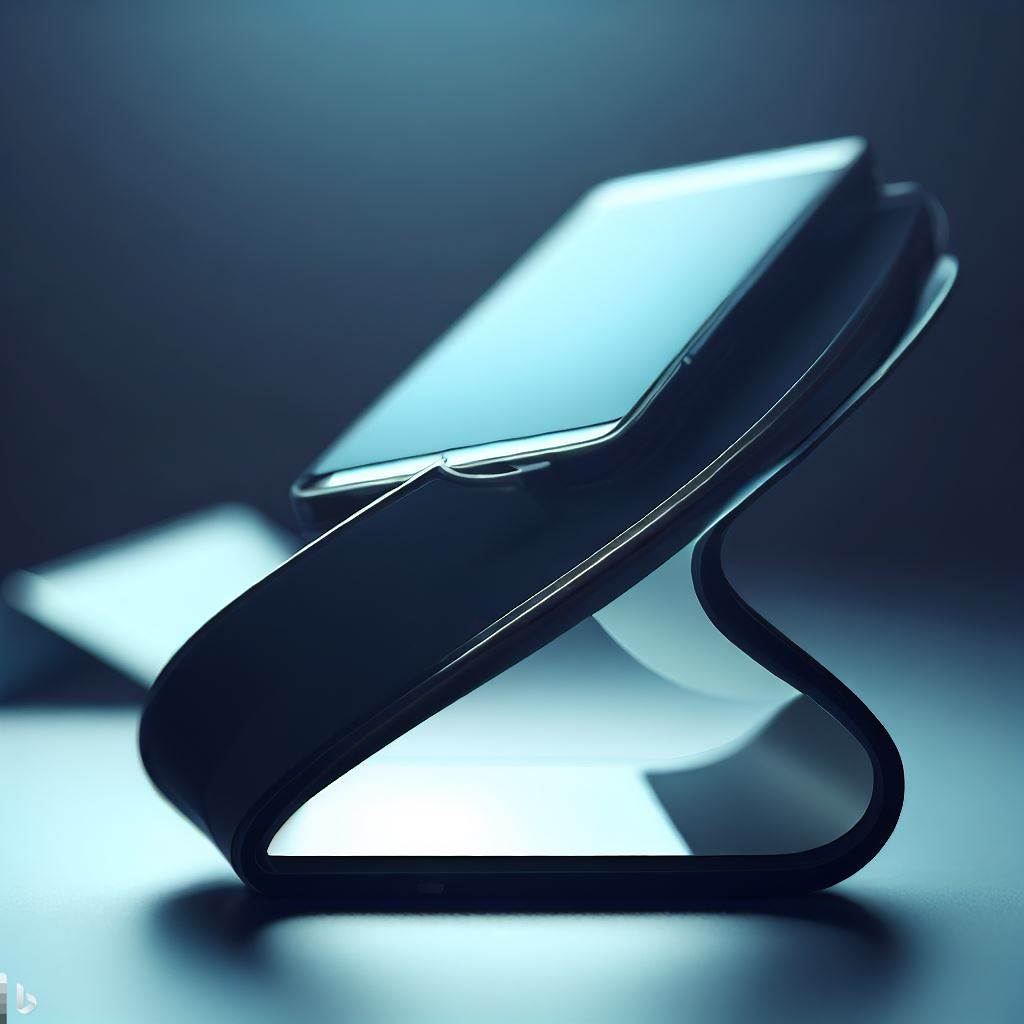
Display and Interface:
Phone displays in 2050 could offer a seamless, immersive experience with high-resolution holographic or projection-based technology. Instead of physical buttons or touchscreens, users might interact with their devices using advanced gesture recognition, eye-tracking, or even through neural interfaces that interpret brain signals. This could allow for more natural and intuitive interaction with the phone.
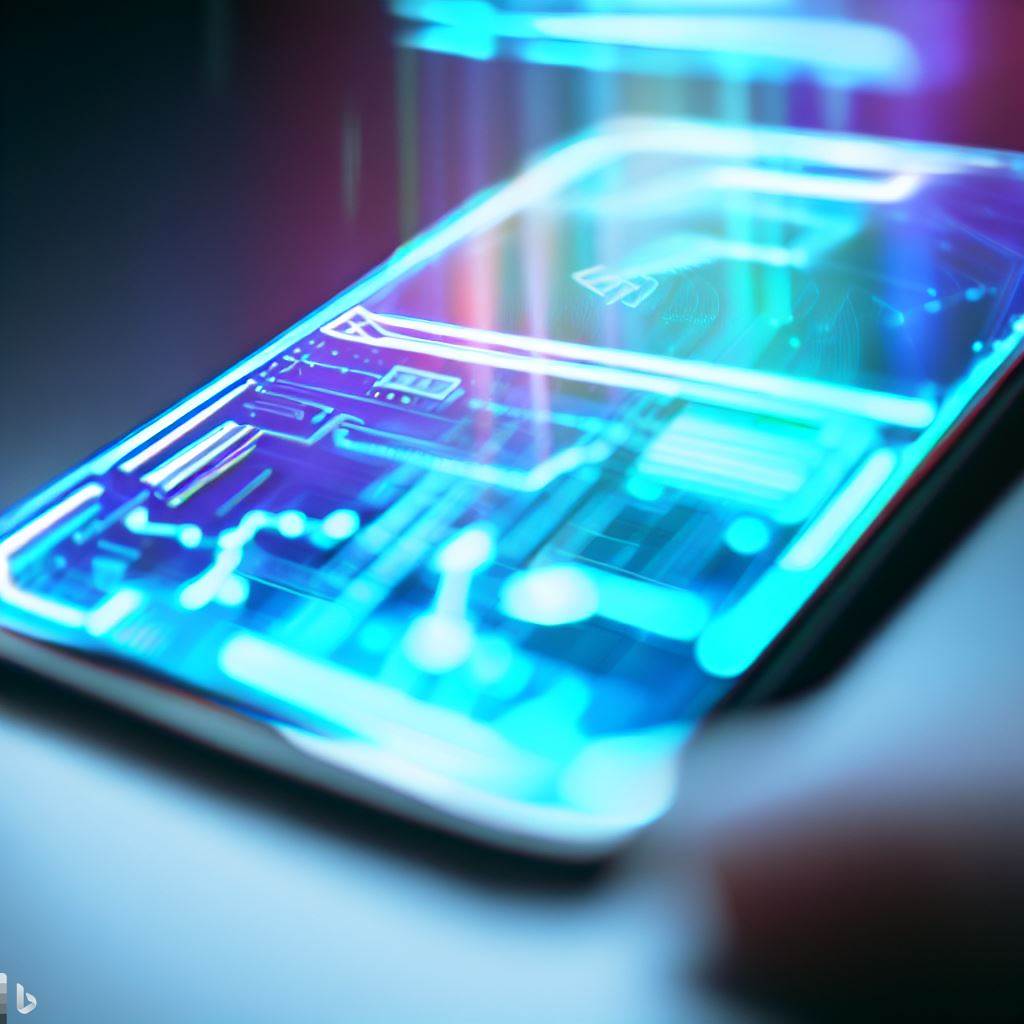
Communication and Connectivity:
Communication capabilities in 2050 could be vastly improved. Phones might support ultra-fast, low-latency 6G or even higher-generation networks, enabling seamless real-time communication and data transfer. Moreover, advancements in augmented reality (AR) and virtual reality (VR) could be integrated into phones, allowing users to have immersive and interactive experiences.
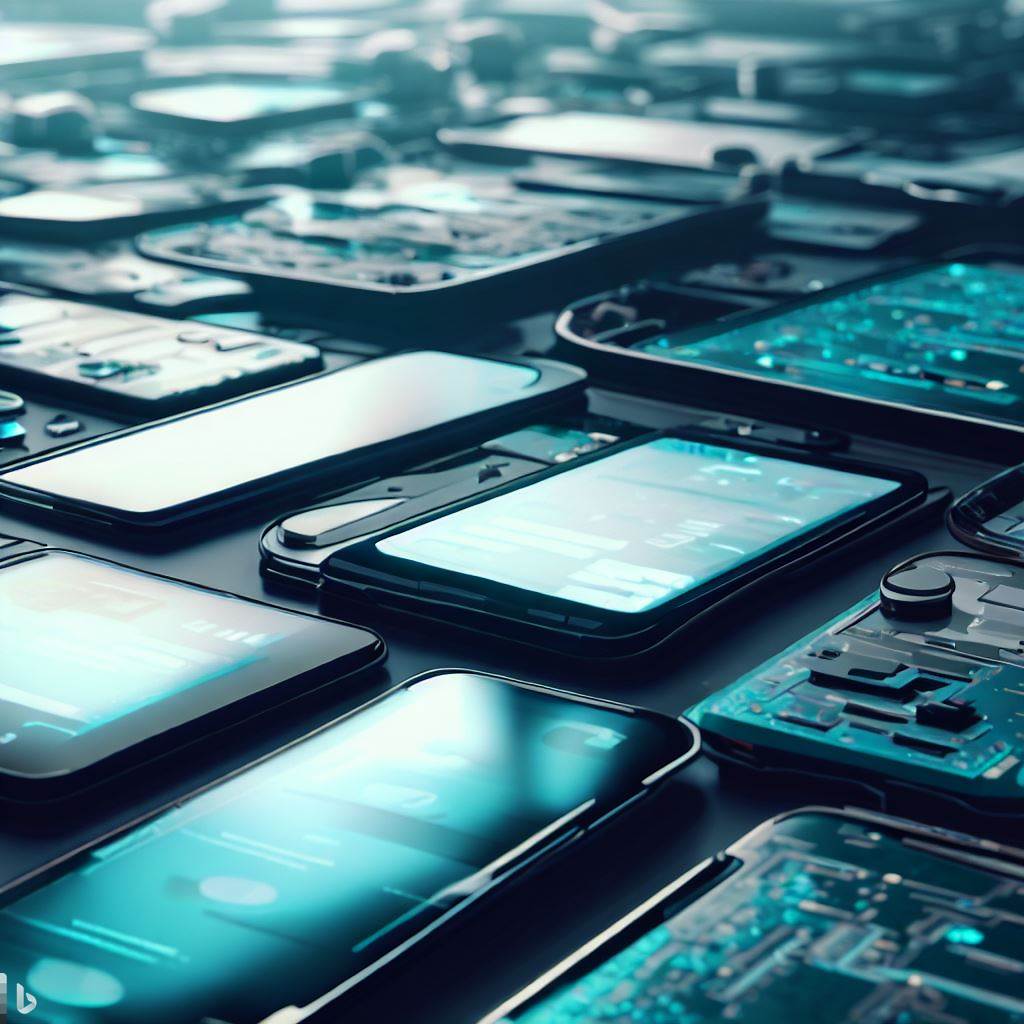
Power and Battery:
Battery technology will likely have advanced significantly by 2050. Phones could potentially feature revolutionary energy sources such as graphene-based or solid-state batteries, offering extended battery life and faster charging times. Furthermore, phones might harness ambient energy sources, such as solar or kinetic energy, to supplement or recharge the battery.
Artificial Intelligence (AI) and Personalization:
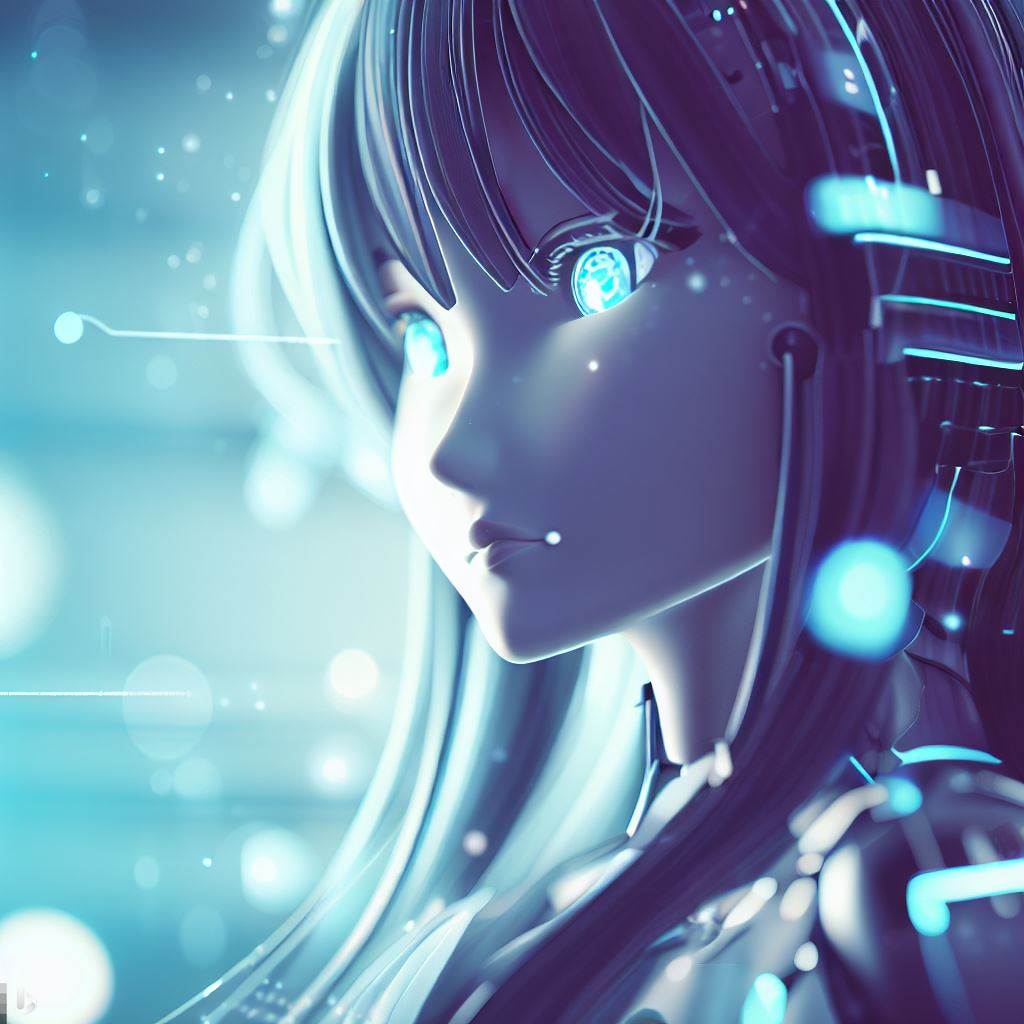
AI will play a central role in phones of the future. These devices might possess highly advanced virtual assistants that can understand natural language, anticipate user needs, and perform tasks on their behalf. AI could also enable phones to adapt to individual users’ preferences, personalize experiences, and provide proactive recommendations based on users’ habits and context.
Biometric Security:
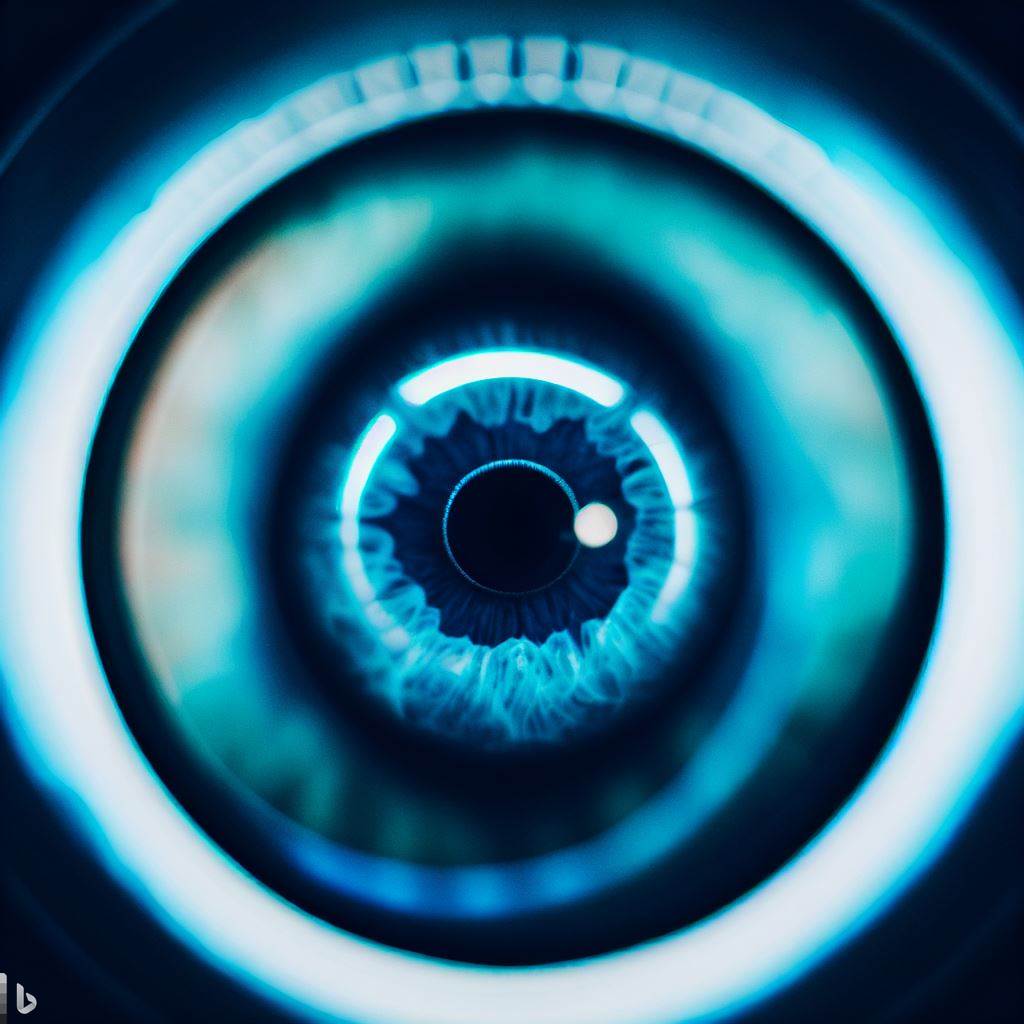
Phone security in 2050 could heavily rely on biometric authentication methods. Advanced facial recognition, iris scanning, or even more advanced biometric technologies might ensure secure access to the device and protect user data. Additionally, behavioral biometrics, such as gait recognition, could add an extra layer of security.
Environmental Considerations:
By 2050, sustainability will likely be a significant factor in phone design. Phones could be made using eco-friendly materials and feature efficient power consumption. Additionally, the devices might incorporate technologies to promote recycling and reduce electronic waste, thus contributing to a more sustainable future.
It’s important to note that predicting the future is challenging, and these descriptions are speculative based on current technological trends and projections. The actual appearance and capabilities of phones in 2050 may differ significantly from these predictions.”


 Mobile Master Mind